Relinkage Case Management for HBV and HCV is Needed
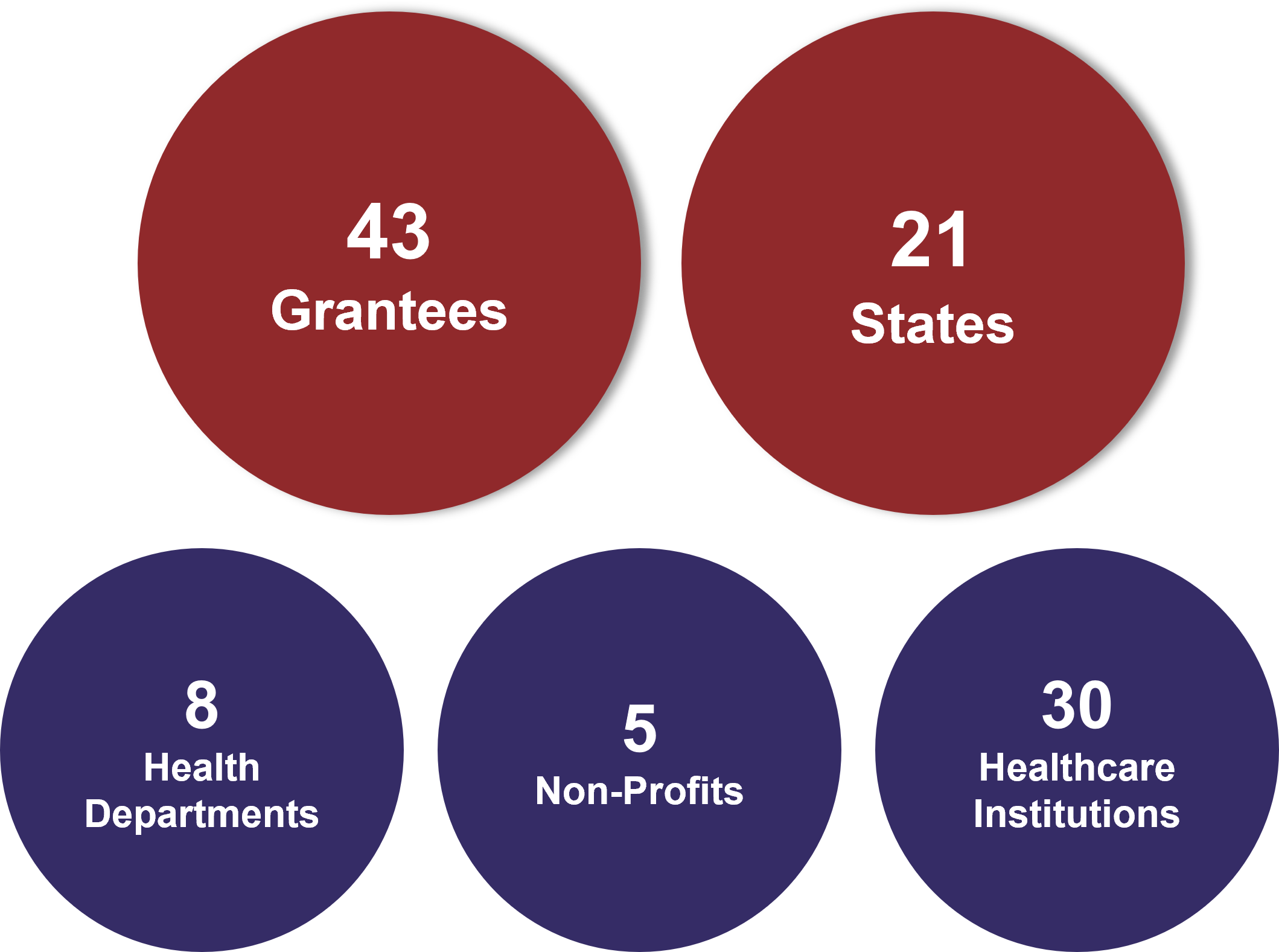
43 organizations have been awarded grants across four rounds of funding. Grantee organizations ranged from departments of health to large hospital systems, small clinics and non-profits of varying size and reach. Each program attests to the need for services focused on reconnecting people with chronic Hepatitis B or C, and who have fallen out of care, to the support they need.
Iowa Health and Human Services’ Experiences with Relink
The Good News and the Bad News (Which Is Also Good News)
Fragmented data management systems and missing or incomplete contact information are notable barriers.
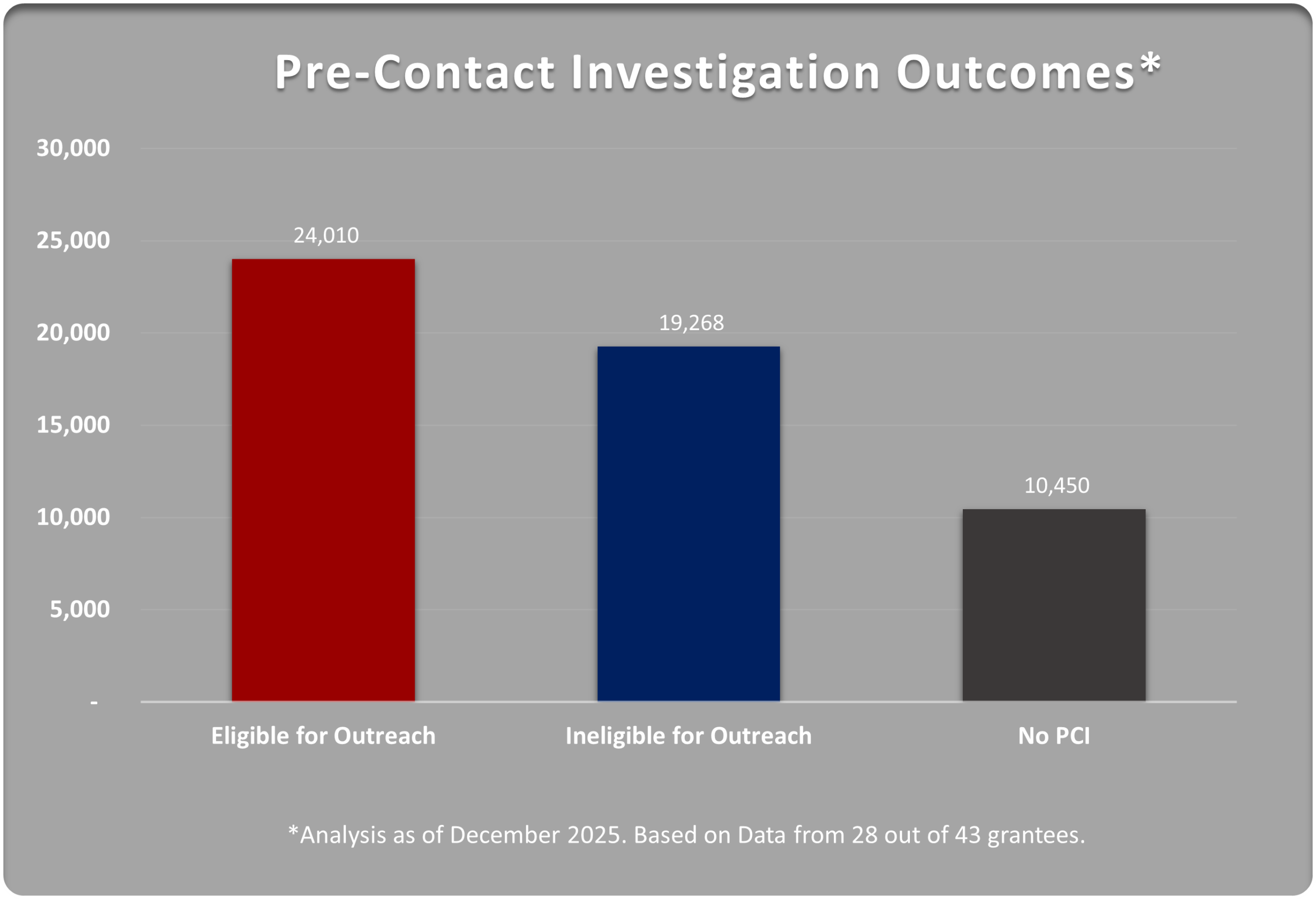
Program outcomes are revealing gaps in patient tracking across the Hepatitis B and C care cascades in the United States. At the end of the second year of implementation, available data revealed that almost half of individuals believed to be lost to follow up are already receiving care, are cured, or are deceased and so, do not need care.
On one hand, this validates the effort invested into viral hepatitis elimination in the US since the introduction of interferon-free direct-acting antivirals (DAAs) to treat Hepatitis C in 2013. It also validates the efforts of organizations, many of which are community-based, working to prioritize the needs of Hepatitis B infected individuals whose care is still affected by widespread miseducation.
On the other hand, incorrect patient categorizations highlight critical disconnections in patient tracking and data management systems. This is even more so when coupled with other issues like incomplete or outdated patient information.
Our grantees are optimizing their care cascades and workflows, improving their data collection and management practices, as well as collaborating to connect fragmented patient management systems. This ensures accurate, up-to-date, and high-quality patient data to inform the care cascade.
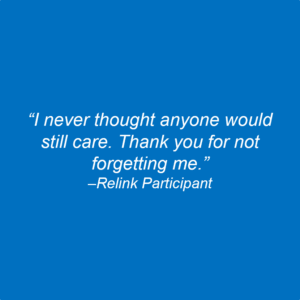
Outreach outcomes vary. However, it is consistently clear that the chances of successful relinkage to care increase significantly with in person contact, peer support and telehealth options.
One Death Too Many: Fixing the Last Mile of Hepatitis C Care
In this installment of the Infectious Diseases Society of America’s Health Equity Series, Relink PI Mariana Gomez de la Espriella, MD, reflects on hepatitis C care in rural Appalachia, barriers to treatment, insights from qualitative work with patients and providers, and care models to improve linkage to cure this Hepatitis Awareness Month.
Grantees Are Charting New Courses for Diligent, Comprehensive, and Effective Patient Care
Round One grantee Philadelphia Fight’s Education, Outreach and Navigation Services(EONS) has implemented the “Call 2 Care” initiative. The program will direct intensive outreach and care coordination to any patient within the organization who has not been seen in over eighteen months. This new direction is based on the outreach and navigation model established during their relink program. It will ensure that all patients (not just chronic Hepatitis B or C patients) stay connected to their primary and subspecialty healthcare.
Similarly, Round Two grantee Iowa Department of Health and Human Services has created a permanent position for a Re-engagement Specialist to support a broader spectrum of patient re-engagement efforts.
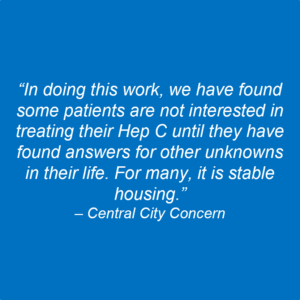
Other grantees, recognizing that people whose basic life needs are not being met cannot prioritize treatment, are expanding their relink program services to offer cross-contextual support to people who need treatment. Yet others are presenting their program findings and winning research awards!
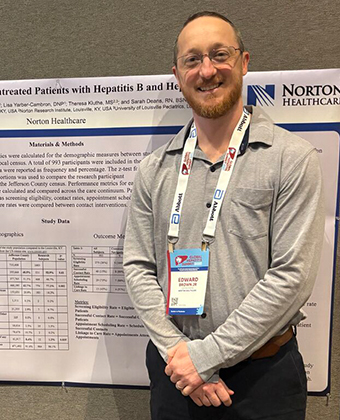
Primary Investigator Eddie Brown of the Norton Healthcare relink program presenting at the 2025 Global Hepatitis Summit in LA.
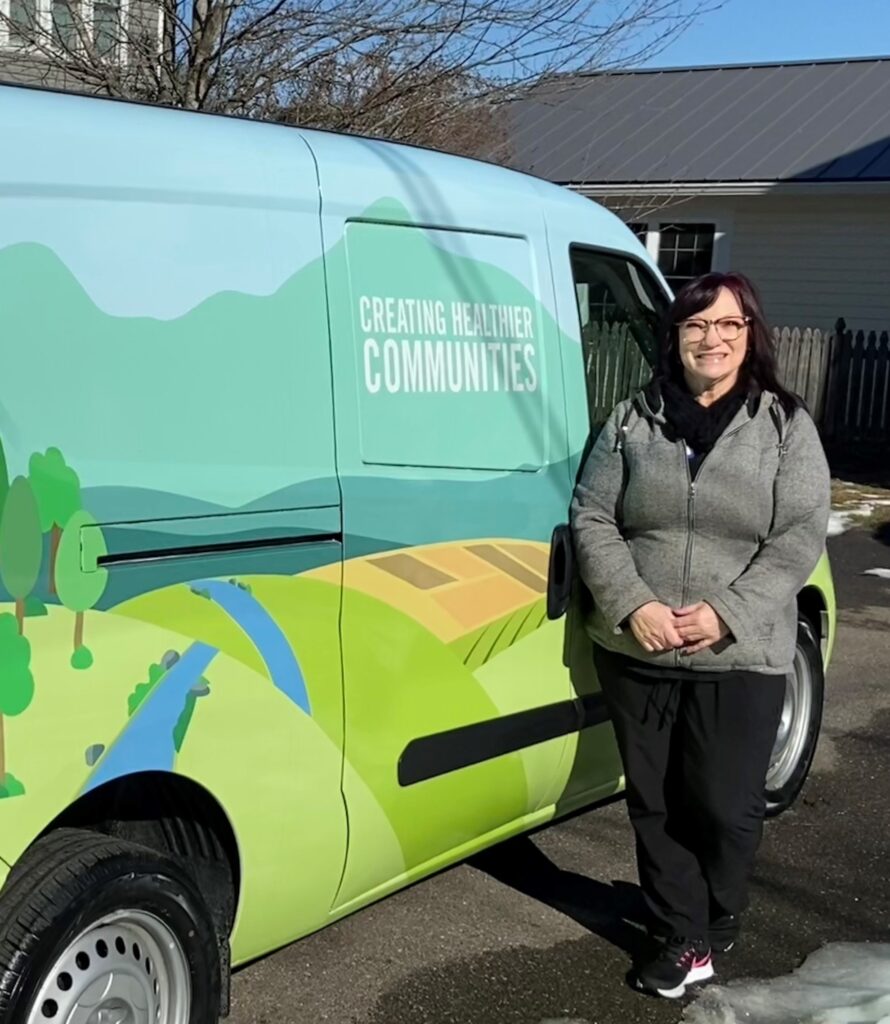
Patient Navigator Jillian Smith of the Carilion Clinic relink program uses a mobile van equipped with secure telemedicine capability to reconnect patients directly to care in their communities.
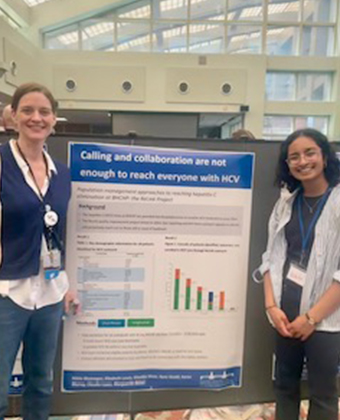
Primary Investigator Maggie Beiser (L) and Patient Navigator Nikita Bhatnagar (R) of the Boston Healthcare for the Homeless relink program.
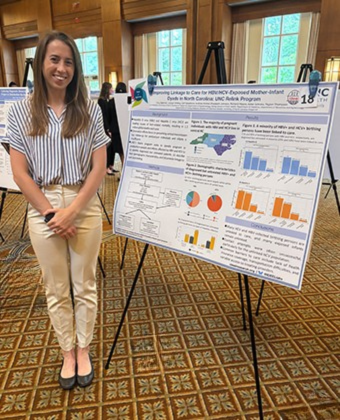
Project Manager Lauryn Ursey of the UNC relink program presenting their research at the UNC Evening of Scholarship.
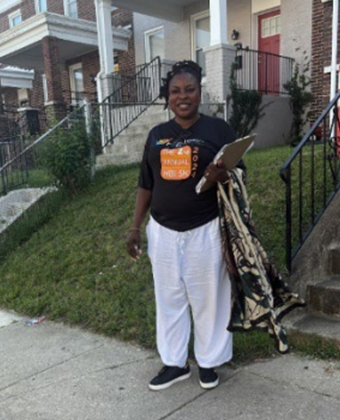
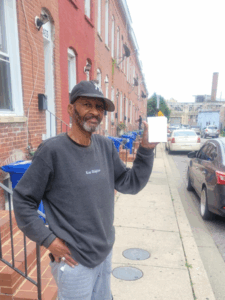
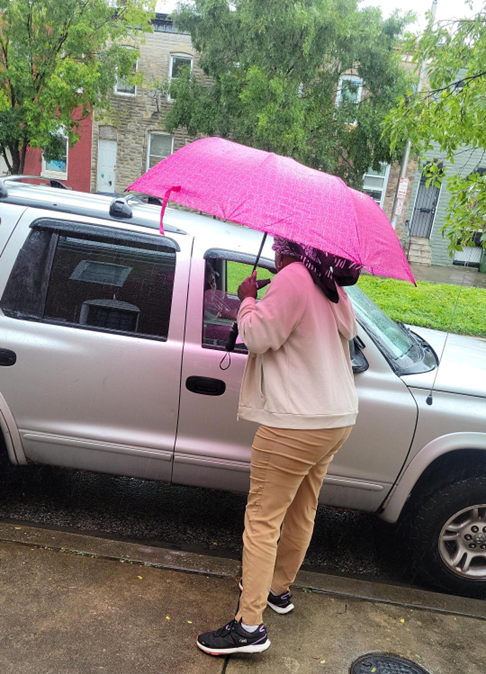
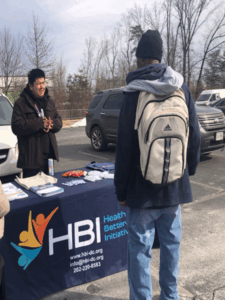
Patient Navigator Victoria Jackson of the HBI-DC relink program making a house call to find a relink client.
“What I realized is that it’s far more effective to complete confirmatory testing, engage with clients through incentives, and secure accurate contact information at the start. The time and capacity required for re-engagement later is significant. Thankfully, through Relink, we now have the capacity to continue to do this critical detective work and help individuals return to care.”
We use cookies to optimize our website and our service.
Functional
Always active
The technical storage or access is strictly necessary for the legitimate purpose of enabling the use of a specific service explicitly requested by the subscriber or user, or for the sole purpose of carrying out the transmission of a communication over an electronic communications network.
Preferences
The technical storage or access is necessary for the legitimate purpose of storing preferences that are not requested by the subscriber or user.
Statistics
The technical storage or access that is used exclusively for statistical purposes.The technical storage or access that is used exclusively for anonymous statistical purposes. Without a subpoena, voluntary compliance on the part of your Internet Service Provider, or additional records from a third party, information stored or retrieved for this purpose alone cannot usually be used to identify you.
Marketing
The technical storage or access is required to create user profiles to send advertising, or to track the user on a website or across several websites for similar marketing purposes.

 English
  Spanish
  French
  Chinese
  Russian
  Arabic